The Extreme Rooftop Environment in the Antelope Valley
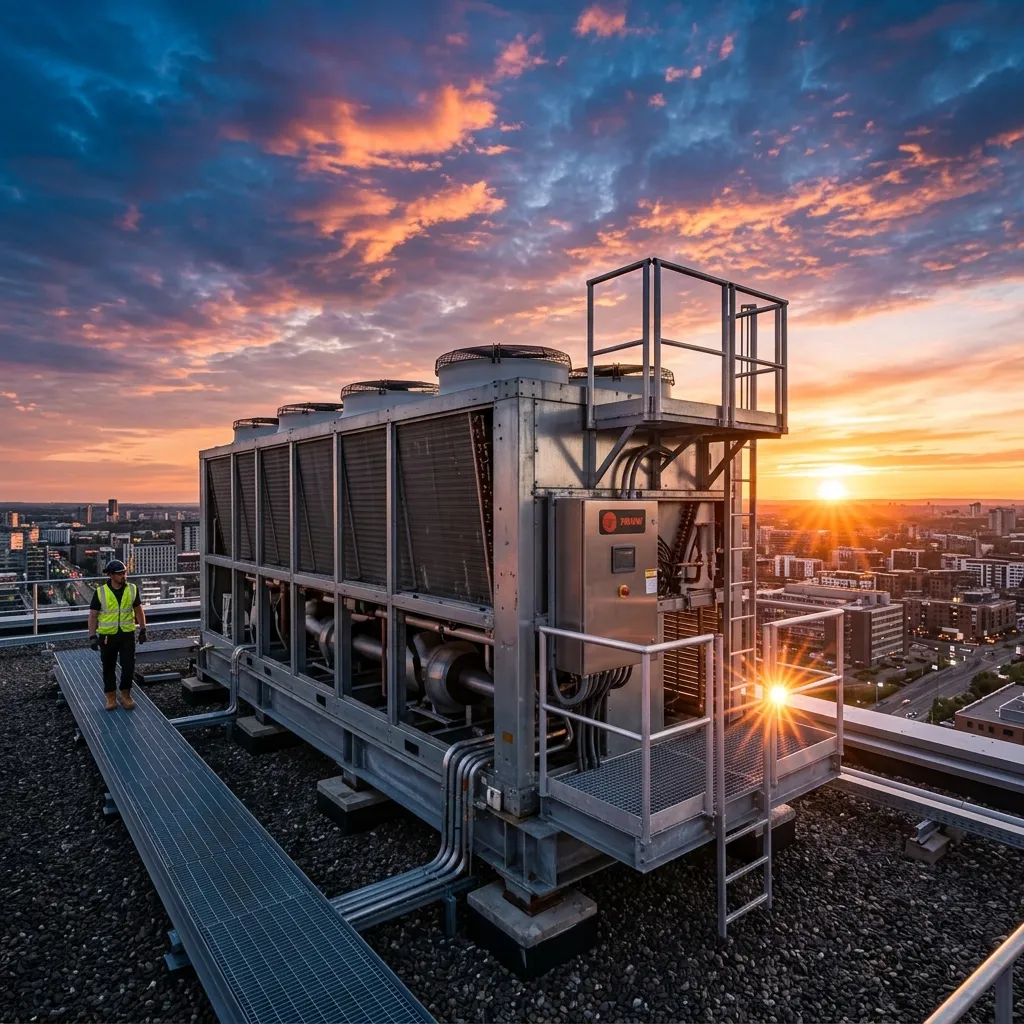
Antelope Valley commercial facility managers face unique HVAC maintenance challenges. On flat commercial roofs in Palmdale and Lancaster, black membrane roofs routinely push ambient microclimates past 130°F during summer afternoons. Commercial packaged Rooftop Units (RTUs) must operate continuously in these harsh thermal conditions.
Direct Guide for Facility Directors
Common commercial RTU failure points include: (1) Title 24 economizer damper actuator motor failure or frozen linkages, (2) severe electrical contactor pitting from high cycle rates, (3) worn or loose blower belt drives causing static pressure drop, (4) compressor thermal overload from sand-clogged condenser coils, and (5) gas train inducer pressure switch faults during winter heating.
1. Economizer Failures & California Title 24 Compliance
California Energy Code mandates functional economizers on commercial HVAC systems. Economizers introduce 'free cooling' when outdoor ambient temperature and enthalpy are favorable. However, high-desert wind and dust frequently jam damper gear trains or foul outdoor air temperature sensors, locking dampers 100% open and pulling 105°F desert air directly into the building, overwhelming the refrigeration compressors.
2. Blower Motor V-Belt Tension & Sheave Alignment
Unlike direct-drive residential blowers, commercial RTUs utilize belt-driven centrifugal fans. Extreme rooftop heat bakes rubber V-belts, causing cracking, glazing, and slippage. A loose belt reduces CFM airflow across the coil, resulting in inadequate room comfort and frozen evaporator coils.
3. Heavy-Duty Contactor Pitting & Electrical Surges
Commercial RTUs cycle multi-stage compressors frequently. Every time the heavy-duty 3-pole contactor engages, high-voltage arcing oxidizes the silver-plated contacts. Severely pitted contactors drop voltage, causing single-phasing conditions that burn out expensive commercial scroll compressors.
Quarterly Preventative Maintenance Programs
AV Action Air provides comprehensive quarterly commercial service contracts including economizer functional testing (FDD certification), belt replacement, condenser chemical cleaning, bearing lubrication, and vibration analysis to eliminate surprise tenant outages.